World Opera Day 2026 Celebrates The Power Of Music And Live Performance Across The United States
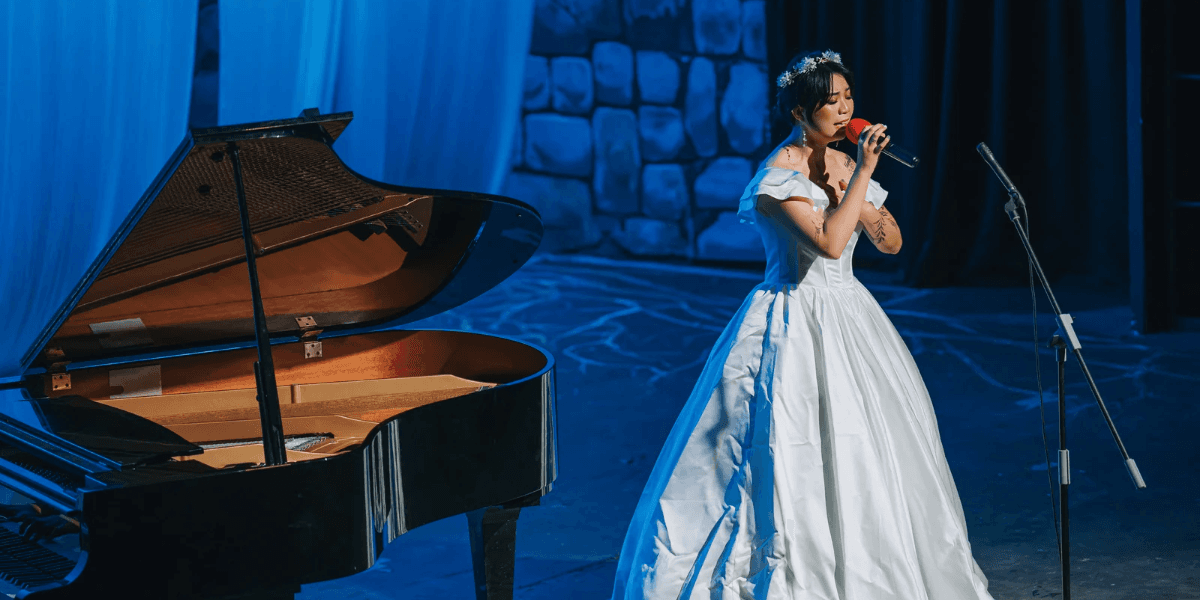
World Opera Day returns October 25, 2026, celebrating American opera companies, rising performers, and the cultural impact of live music.
On October 25, 2026, opera companies, performers, and music enthusiasts across the United States joined a global celebration of one of the world's most enduring performing arts. World Opera Day 2026 highlighted the cultural importance of opera through performances, community activities, and opportunities for audiences to discover the genre. With this year's theme, "Opera Connects," the occasion emphasized how music and storytelling can bring people together across generations and backgrounds. From established opera houses to smaller educational programs, the celebration placed renewed attention on an art form that continues to evolve while preserving centuries of musical tradition.
World Opera Day 2026 Highlights The Importance Of Live Music
World Opera Day is observed annually on October 25, a date associated with the birthdays of composers Georges Bizet and Johann Strauss II.
The international initiative is organized through cooperation among OPERA America, Opera Europa, and Ópera Latinoamérica. Its purpose is to recognize the contributions of opera artists and organizations while introducing the art form to new audiences.
For 2026, the theme "Opera Connects" focused on the relationships created through musical performance and shared cultural experiences.
In the United States, OPERA America encouraged artists, companies, and audiences to highlight the importance of opera within their communities.
The initiative also invited participants to share memories of performances, recognize influential artists, and introduce others to the creativity behind opera productions.
These activities demonstrated that the genre's cultural significance extends beyond traditional theaters.
American Opera Companies Present Diverse Productions
The October celebration coincided with a busy performance calendar for opera organizations across the United States.
In Chicago, Lyric Opera of Chicago presented Omar, an opera composed by Rhiannon Giddens and Michael Abels. The production draws from the life of Omar ibn Said and reflects the expanding range of stories explored through contemporary American opera.
Meanwhile, Houston Grand Opera staged Carlisle Floyd's Susannah, a work that has held an important place in the American operatic repertoire.
In Philadelphia, Opera Philadelphia presented Suddenly Last Summer, while San Diego Opera featured Giuseppe Verdi's Rigoletto.
These productions illustrate the variety of programming available to modern audiences.
Some works revisit established European classics, while others explore American history, literature, and contemporary storytelling.
Together, they demonstrate how opera companies balance artistic tradition with the introduction of different voices and creative perspectives.
World Opera Day Brings Attention To Emerging Performers
Beyond major productions, World Opera Day also provided an opportunity to recognize developing talent.
In Buffalo, New York, the Erwin H. Johnson Memorial Fund and SUNY Buffalo State organized a World Opera Day concert featuring vocal and instrumental performances.
The program included selections associated with composers such as Mozart, Verdi, Bach, and Handel.
Singers and instrumentalists participated alongside scholarship recipients, highlighting the importance of educational opportunities within the performing arts.
Programs of this kind help emerging musicians gain performance experience while introducing audiences to classical vocal traditions.
They also demonstrate how colleges, community organizations, and cultural institutions contribute to the development of future performers.
For aspiring singers, exposure to live performance remains an important part of understanding the technical and expressive demands of opera.
Opera Volunteers International Expands The Celebration Through Operatober
The 2026 celebration extended beyond a single day through Operatober, an initiative organized by Opera Volunteers International.
Running from October 1 through November 1, the program brought together activities designed to introduce opera to wider audiences.
Its calendar included discussions, educational opportunities, community activities, and entertainment inspired by operatic traditions.
One of the featured events was the Metropolitan Opera's Live in HD presentation of Verdi's Macbeth on October 17.
The screening initiative allowed audiences to experience an opera production through participating cinemas.
Operatober also highlighted the contributions of volunteers, educators, and community organizations that support opera performances throughout the year.
Such initiatives demonstrate that participation in opera is not limited to professional singers or established theater audiences.
Why Opera Remains Relevant In Modern American Entertainment
Although opera has centuries of history, its combination of music, theater, visual design, and storytelling continues to influence contemporary entertainment.
Opera productions bring together singers, orchestras, directors, costume designers, stage technicians, and numerous other creative professionals.
This collaborative approach shares important characteristics with musical theater and film production.
Modern opera companies also explore new compositions and presentation formats that reflect changing audience interests.
Digital broadcasts and cinema screenings have created additional opportunities for people to experience productions without visiting a traditional opera house.
At the same time, educational programs help audiences understand unfamiliar musical styles and dramatic conventions.
These developments show how an established art form can adapt to new technologies while maintaining its artistic identity.
World Opera Day Encourages New Audiences To Discover Opera
For people who have never attended an opera performance, World Opera Day provides a useful introduction.
A first experience does not require extensive knowledge of classical music or foreign languages. Many productions offer translated captions, program notes, and background information to help audiences follow the story.
Listeners interested in familiar works can begin with operas such as Bizet's Carmen, Mozart's The Magic Flute, or Puccini's La Bohème.
Contemporary American productions offer another entry point through stories and musical approaches connected to different cultural experiences.
Exploring a local opera company's performance calendar, attending a community concert, or watching a recorded production can provide valuable insight into the genre.
Ultimately, World Opera Day 2026 highlighted opera's continuing place in American cultural life. Through established institutions, emerging performers, and community initiatives, the celebration demonstrated how music and storytelling can remain meaningful across generations.
Its central message was simple: opera is not merely a historical tradition, but a living art form that continues to connect artists and audiences through the shared experience of performance.

Artist Recap Contributor
Covers culture at large, following the moments and movements shaping the creative world.
This article features partner, contributor, or branded content from a third party. Members of the Artist Recap editorial staff were not involved in the creation of this content. All views and opinions are those of the contributor alone.