Colors Of The Spectrum: How Bay Area Filmmakers are Changing The Way We See Neurodivergent Adults Through Film.
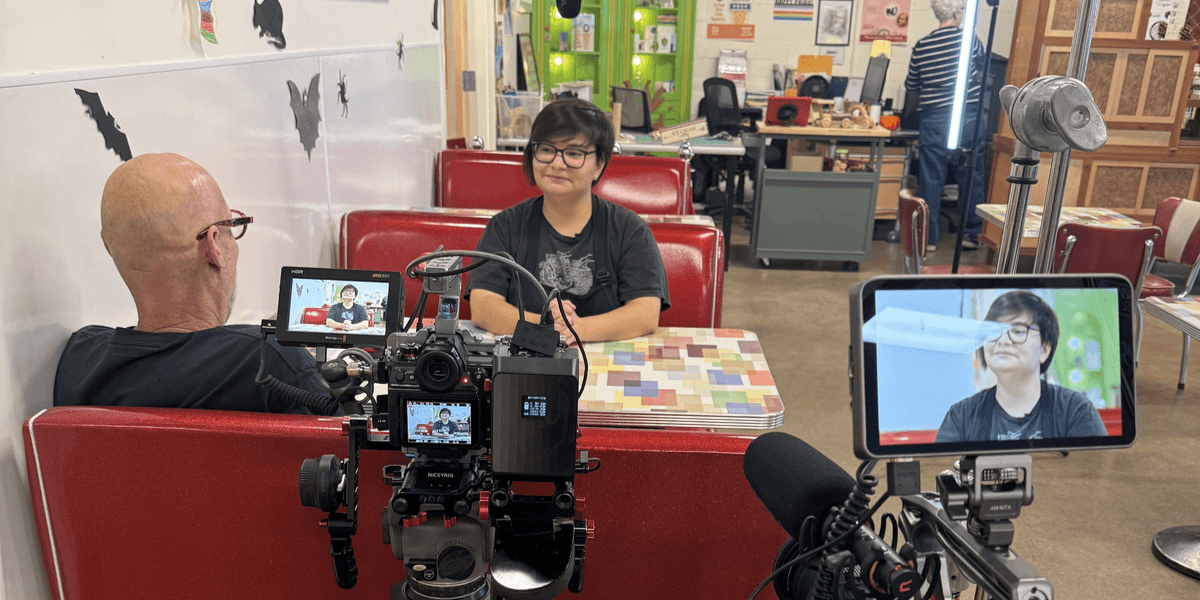
Through student voices, creative collaboration, and authentic storytelling, Colors of the Spectrum offers a fresh view of neurodiversity.
Sometimes, the most powerful stories begin when filmmakers put down their plans and start listening. For award winning filmmaker and director Brandon Katcher of Lost Summit Films, that realization became the foundation of Colors of the Spectrum, a documentary series exploring the creativity, individuality, and experiences of neurodivergent students. Set inside Autistry Studios, a therapeutic makerspace for teens and adults, the project invites viewers into a world where personal expression takes center stage. Rather than telling audiences what to think about neurodiversity, the series allows students to share their perspectives through art, animation, and meaningful collaboration.
Colors of the Spectrum: A Story That Began With Inspiration
The inspiration for Colors of the Spectrum emerged from an unexpected encounter with a remarkable creative community. Katcher and his filmmaking team including Suzanne Denebeim Atherly and Ken Pontac had recently completed work on a feature documentary and were given the opportunity to screen it at Autistry Studios. What began as a simple visit soon revealed the potential for an entirely different kind of storytelling.
Walking through the doors, the filmmakers encountered a space filled with students, mentors, and creative projects. The experience sparked an idea: What if audiences could see the world through the perspectives of the students themselves?
That question became the driving force behind Colors of the Spectrum. Instead of approaching neurodivergence through familiar assumptions, the production sought to explore how individuals experience, interpret, and contribute to the world around them. The goal was not to create a conventional documentary about a community, but to develop a series shaped by the people whose stories it tells.
For Katcher, the project also presented an opportunity to examine the limitations of his own perspective. People naturally develop beliefs based on their experiences, yet those beliefs can make it difficult to appreciate unfamiliar ways of thinking. Through the students at Autistry Studios, Colors of the Spectrum encourages viewers to question those boundaries and discover the possibilities that emerge when different perspectives are welcomed.
When Listening Becomes More Important Than The Script
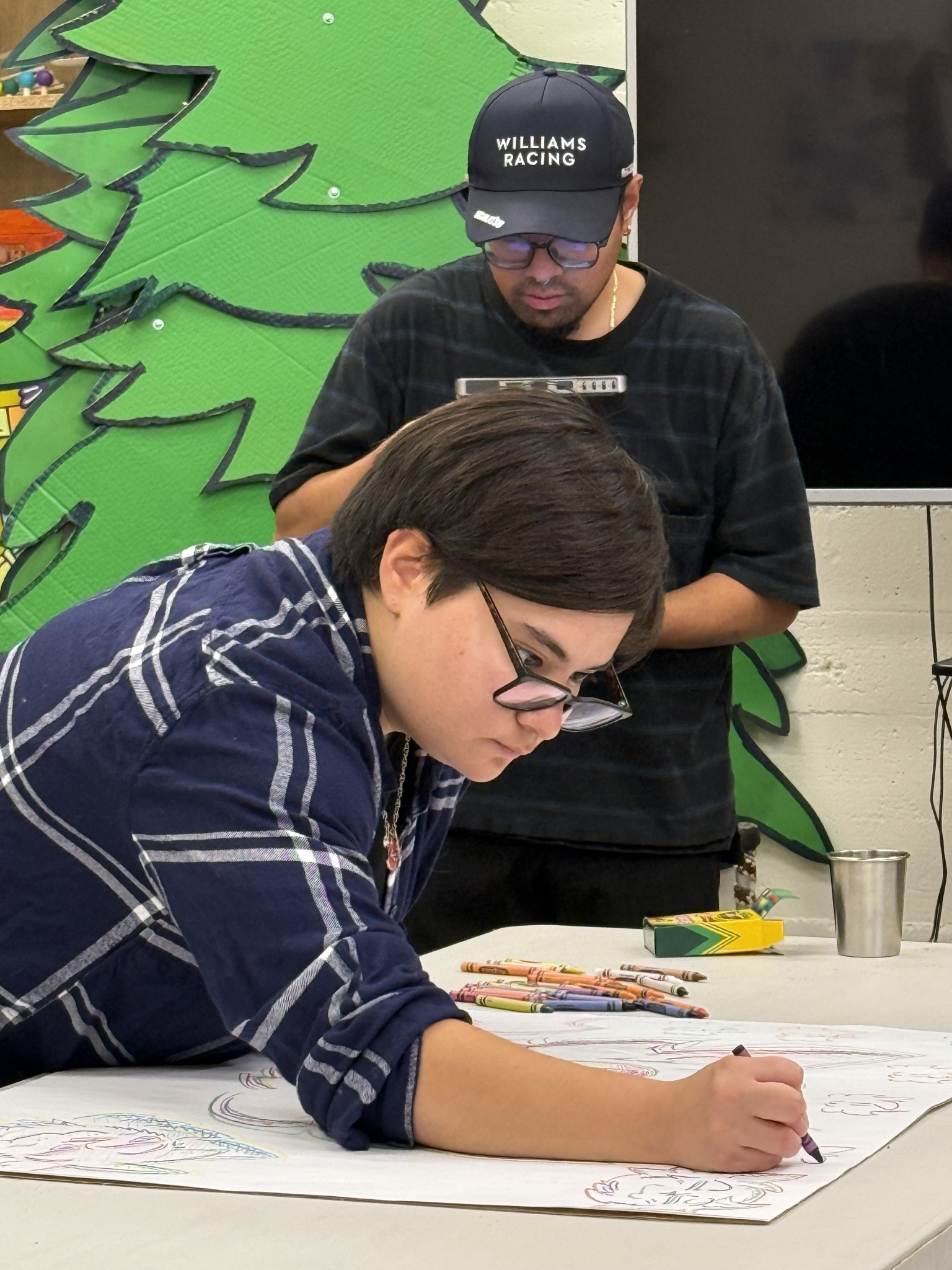
Documentary filmmaking often depends on careful preparation. Directors develop schedules, shot lists, and narrative outlines to guide production. Yet Colors of the Spectrum challenged Katcher and his team to rethink that familiar approach.
One of the production's greatest challenges was allowing the students' experiences to determine the direction of each episode. Although the filmmakers entered production with initial concepts, they quickly discovered that following a predetermined storyline could overshadow the very voices they wanted to highlight.
As a result, episodes frequently evolved beyond their original plans. Scenes took on new meaning, unexpected moments became central to the narrative, and the editing process played a larger role in finding each story's natural rhythm.
This flexibility also extended the time required for postproduction. Rather than rushing toward completion, the team prioritized capturing each student's personality through pacing, visual effects, animation, and music.
The decision reflects a central principle behind the series: authentic representation requires more than placing someone in front of a camera. It requires filmmakers to recognize when their own expectations may interfere with the story unfolding before them.
For Katcher, that process has become an exercise in creative humility. While the filmmaking team remains responsible for shaping the finished episodes, the students occupy a central role in determining how their experiences are presented.
How Colors of the Spectrum Turns Creativity Into Collaboration
One of the defining elements of Colors of the Spectrum is its commitment to involving students in the creative process itself. Each episode explores a different aspect of life at Autistry Studios, following students as they participate in activities guided by mentors. These experiences form the narrative foundation of the series, but the collaboration goes beyond filmed interviews and classroom observations.
Some students were invited to develop animated elements for the episodes, contributing directly to the visual storytelling. Drawing on his extensive experience in the animation industry, Katcher approached these contributions as professional creative assignments. Students worked through a process that included thumbnail sketches, artistic development, and finished animated sequences. The team even prepared contracts to formalize the assignments.
This approach distinguishes the project from documentaries that simply observe their subjects. Colors of the Spectrum creates opportunities for students to participate in how their stories are communicated.
Animation also offers an expressive language that traditional footage cannot always provide. Through movement, imagery, and individual artistic choices, students can communicate aspects of their perspectives in ways that feel personal and imaginative.
The filmmakers hope to expand these opportunities in future productions, potentially involving students in additional aspects of the filmmaking process beyond animation.
The People And Relationships Behind The Stories
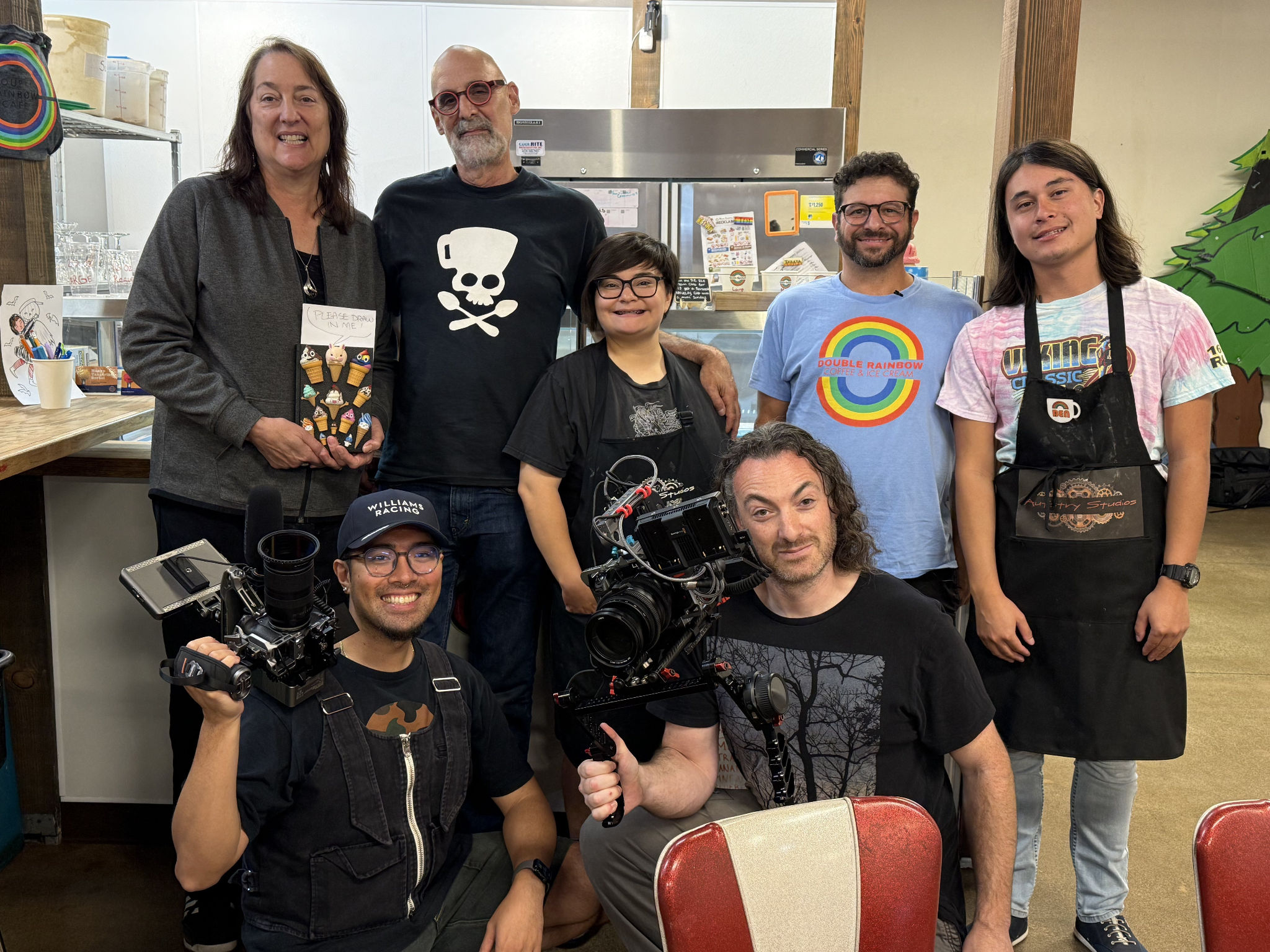
While artistic expression is central to Colors of the Spectrum, the series also recognizes the relationships that support the students' journeys.
The first episode features student Ian Swearingen alongside his parents, Janet Lawson and Dan Swearingen, who are also the cofounders of Autistry Studios. Their participation adds a family perspective to the documentary and connects the creative work taking place inside the studio with the people who helped establish the organization.
In the third episode, the series follows student barista DJ and includes extensive participation from his uncles, affectionately known as the Rons. Their personalities and commentary introduce another dimension to the storytelling, highlighting the humor, affection, and relationships that make individual experiences memorable.
These personal connections help Colors of the Spectrum move beyond broad discussions of neurodiversity. Viewers encounter individuals with their own interests, families, creative abilities, and ways of engaging with the world.
The result is a documentary approach that emphasizes individuality rather than treating neurodivergent people as a single, uniform community.
A Different Vision For Documentary Filmmaking
For Lost Summit Films, Colors of the Spectrum represents more than another production. It reflects an approach to filmmaking built around collaboration, curiosity, and a willingness to challenge established creative habits.
The series does not attempt to present one definitive explanation of neurodivergence. Instead, it explores the many ways people perceive and interpret their surroundings, recognizing that no single narrative can capture every individual's experience.
That distinction matters in a media landscape where complex personal stories can sometimes be simplified to fit familiar formats. By allowing each episode to develop around its featured students, Katcher and his team aim to preserve the qualities that make those stories distinctive.
The project's combination of documentary footage, original student animation, and personalized sound and editing choices reinforces that philosophy. Each episode becomes an opportunity to experiment with storytelling methods that reflect the person at its center.
The creative process has also influenced the filmmakers themselves. Listening closely to the students has encouraged the team to reconsider its assumptions about storytelling, artistic expression, and the meaning of collaboration.
In this sense, Colors of the Spectrum invites filmmakers and viewers to participate in the same discovery: understanding another person's perspective often begins with recognizing the limits of one's own.
Discover The World Through Colors of the Spectrum
Colors of the Spectrum offers audiences an opportunity to experience documentary storytelling through a different lens. Through the creative contributions of students at Autistry Studios, Brandon Katcher and Lost Summit Films are developing a series that places individuality, imagination, and collaboration at the heart of its narrative.
For viewers interested in independent filmmaking, animation, and authentic personal stories, the project provides a compelling reason to look beyond conventional portrayals of neurodivergence. Its central message is both simple and meaningful: Every person has a perspective worth exploring, and listening can reveal possibilities that might otherwise remain unseen.
Discover the creative journeys behind Colors of the Spectrum by following the film on Instagram, exploring its documentary content on YouTube, and connecting with the project through TikTok. Each platform offers a way to follow the filmmakers' creative journey and learn more about the people and perspectives inspiring the series.
Ultimately, Colors of the Spectrum reminds audiences that the world becomes more interesting when people are willing to look beyond familiar boundaries. Sometimes, discovering a new perspective begins with giving someone else the space to tell their own story.

Artist Recap Contributor
Covers film and television, from what is being made to the people making it.
This article features partner, contributor, or branded content from a third party. Members of the Artist Recap editorial staff were not involved in the creation of this content. All views and opinions are those of the contributor alone.
next post
Taylor Swift Makes Billboard History As Patient Zero Ends Ella Langley's Record 24 Week Reign