Live Music Surges Nationwide Amid Festival-Fueled Weekend Momentum
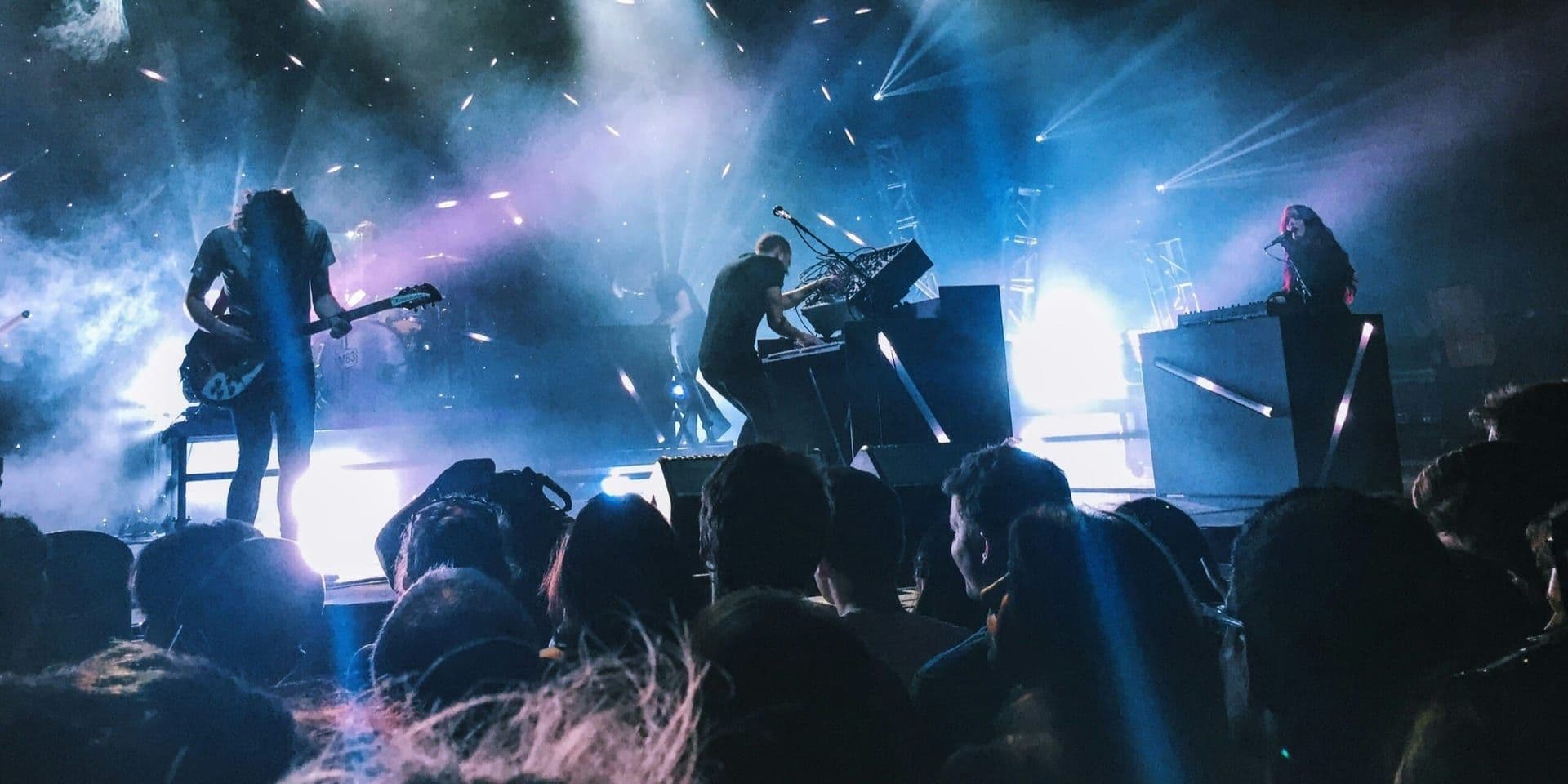
A major weekend of live music is shaping up to be a defining moment in the resurgence of performances across the United States. With festivals and concert lineups scheduled in cities nationwide, it’s becoming a key anchor point for the fall season—drawing fans, artists, and promoters into a high-energy wave that highlights the live entertainment industry’s strong comeback. What was once a cautious recovery has accelerated into a full-scale revival of performances, cultural gatherings, and music-driven tourism.
In cities such as Nashville, Austin, Los Angeles, and New York, event calendars are stacked with performances ranging from large-scale music festivals to club shows and theater acts. Music lovers will find everything from chart-topping pop acts and indie showcases to jazz ensembles and genre-specific celebrations. Nashville’s “Weekend Visitors Guide” lists dozens of performances and live sessions between November 7 and 9, tapping into the city’s reputation as a live-music powerhouse. But this is not unique to Music City. Around the country, venues large and small are preparing for a weekend of capacity crowds, travel surges, and heightened fan enthusiasm.
This surge in activity reflects more than just timing—it signals a broader shift in how live music is being positioned in post-pandemic American culture. After several years of uncertainty, artists and event organizers have found new confidence in returning to regular touring cycles, and audiences have demonstrated an increased willingness to travel for music-based experiences. November 7 is positioned at a strategic moment: far enough past the Halloween rush and just ahead of Thanksgiving travel, allowing it to serve as an ideal weekend for immersive events. Many festival producers are taking advantage of this timing, creating lineups that serve as both standalone spectacles and launchpads for year-end promotional cycles.
The proliferation of events is also reinvigorating the economic ecosystems that surround live performances. Hospitality sectors in host cities are preparing for the influx of fans with hotel packages, extended restaurant hours, and themed entertainment offerings designed to capitalize on the festival crowd. For many local economies, weekends like this represent an important revenue injection—especially in a climate where tourism has only recently stabilized. Independent venues, which were among the hardest hit during pandemic shutdowns, are now seeing ticket sales and reservations rebound, giving owners and operators a renewed sense of optimism.
From a cultural standpoint, the strong turnout expected over the November 7 weekend indicates a deep, enduring demand for live music as a shared experience. Audiences are no longer content with digital performances or delayed releases—they want to be part of the atmosphere, the crowd, the moment. This appetite for collective experiences is driving new approaches to concert planning. Many festivals now blend traditional headliners with interactive installations, local culinary partnerships, and artist-led workshops. Organizers are striving to deliver more than just music—they are crafting destination weekends that engage all the senses and reward participation.
At the same time, this kind of activity presents real logistical challenges. Transportation systems in festival-heavy cities are bracing for a spike in demand, and promoters are tasked with ensuring safety and accessibility without sacrificing the energy that makes live events compelling. With multiple events overlapping in some markets, competition for resources—such as staging crews, security personnel, and sound technicians—can strain even well-prepared operations. Ticketing systems are under pressure, and last-minute cancellations or reschedulings could carry greater consequences amid a tightly packed calendar.
Nevertheless, the convergence of live events around this specific date reveals a new rhythm in the music industry’s seasonal planning. Where summer once dominated as the high season for festivals, more producers are turning to the quieter fall months to stage ambitious productions. Cooler weather, reduced competition from family vacations, and a desire to extend the performance year into the fourth quarter are prompting a rethink of how and when major events are scheduled. November is no longer an off-season—it is now a proving ground for innovation in concert programming and fan engagement.
Looking beyond this single weekend, the strength of November 7’s lineup could signal a lasting evolution in how live music is integrated into the broader cultural calendar. Artists are increasingly planning their tours around these anchor weekends, and fans are showing a readiness to build mini-vacations around concerts and festivals. Cities that have invested in arts infrastructure are likely to benefit most, as they can provide both the venues and the surrounding experience that modern audiences expect.
In a year already marked by recovery and reinvention, the November 7 weekend represents something more: a visible, audible return to form. The stages will be full, the venues will be loud, and the audiences will be ready. For fans of live music, it is a moment that signals not just a weekend of entertainment, but a wider cultural revival—where the beat is back, and the crowd is once again part of the show.

Artist Recap Contributor
Covers music — new releases, the artists behind them, and the news moving the industry.
This article features partner, contributor, or branded content from a third party. Members of the Artist Recap editorial staff were not involved in the creation of this content. All views and opinions are those of the contributor alone.