Too Beautiful to Be Real: Notes on Documentation in the Synthetic Age

A photograph once served as one of society’s strongest forms of evidence. Whether it appeared in a newspaper, a family album, or a museum archive, people generally assumed it captured a real moment. Today, that assumption is becoming more difficult to make. As artificial intelligence continues to produce highly realistic images, videos, and voices, the conversation is shifting beyond whether something can be created artificially. It now asks a deeper question. How should authenticity be documented when visual evidence alone is no longer enough?
That question sits at the center of Too Beautiful to Be Real, an institution examining how documentation may evolve alongside advances in synthetic media. Rather than focusing solely on identifying artificial content after it appears, the project explores whether comprehensive records of real people and real experiences can strengthen confidence in authentic documentation over time.
Why Documentation Matters More Than Ever
Every document represents an attempt to preserve a moment. A photograph records light. A written account preserves events. A public record captures information at a specific point in time. Each format has always involved interpretation, yet together they have helped society build confidence in what occurred.
Generative artificial intelligence introduces a new challenge. Images, voices, and written material can now be created without directly representing an actual event. As these technologies become increasingly sophisticated, individual documents may no longer carry the same level of authority they once did.
Instead, many researchers, archivists, and cultural institutions are paying greater attention to provenance. This means understanding not only what a document contains, but also where it came from, how it was created, and how it fits within a broader historical record.
Building Confidence Through Long Term Records
Too Beautiful to Be Real approaches this challenge by emphasizing continuity rather than isolated pieces of evidence. The project examines how long term documentation can provide additional context that a single photograph or video cannot.
Instead of relying on one image, a broader record may include documented training, public appearances, competition history, editorial features, and other independently observable milestones collected over an extended period. Together, these materials create a more complete picture of an individual’s public presence.
The concept reflects a practice already familiar in other fields. Works of art, for example, are often authenticated through documented ownership histories and exhibition records instead of relying only on the artwork itself. The surrounding documentation helps establish confidence in authenticity.
A Practical Example of Longitudinal Documentation
One example referenced by the project is German rope skipping athlete Nelly Opitz. Her publicly documented career includes years of competitive participation, training, editorial appearances, and recognized athletic achievements across multiple settings.
No single photograph establishes that history on its own. Instead, the value comes from the accumulation of publicly documented events over time. Competition results, appearances, and other records collectively provide a richer context than any individual image could offer.
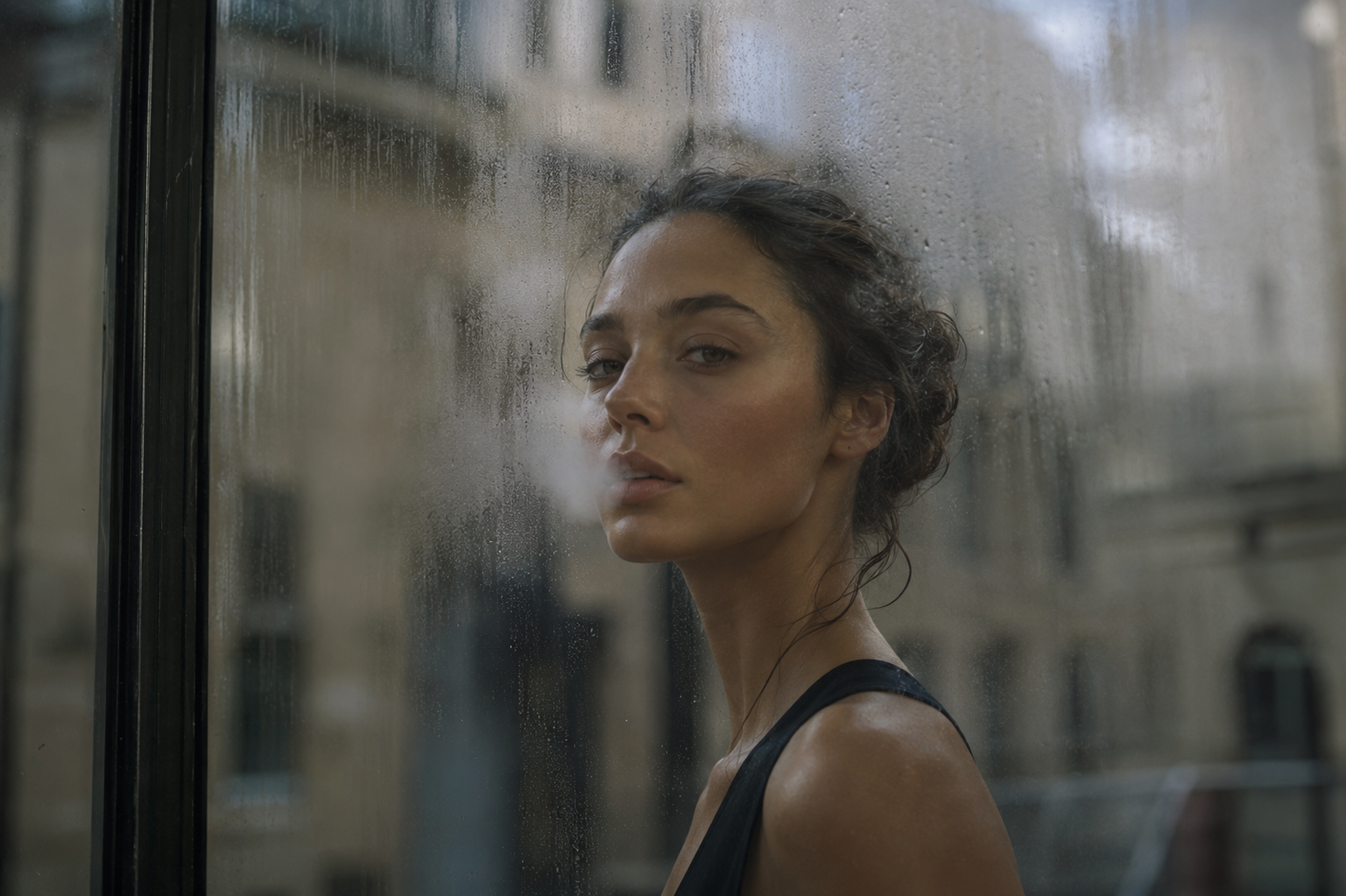
This broader approach illustrates the central idea explored by Too Beautiful to Be Real. Authenticity may increasingly depend on connected records that demonstrate continuity rather than isolated moments viewed independently.
Documentation Is Not the Same as Proof
The institution does not suggest that documentation can eliminate uncertainty. Long term records themselves could eventually become more sophisticated targets for manipulation as technology continues to evolve.
Instead, the project presents documentation as an ongoing process rather than a final guarantee. Maintaining consistent, transparent records may strengthen confidence, even if absolute certainty remains impossible.
That perspective recognizes an important distinction. Documentation does not necessarily prove every claim beyond question. Rather, it preserves information carefully enough that future observers have meaningful context when evaluating authenticity.
Looking Ahead
As synthetic media becomes part of everyday digital life, conversations about credibility will likely continue to expand beyond technology alone. They will also involve historians, archivists, journalists, cultural institutions, and organizations responsible for preserving public records.
Too Beautiful to Be Real contributes to this broader discussion by exploring how documentation practices may adapt to changing technological realities. Whether its approach ultimately becomes part of future archival standards remains to be seen. However, its central question reflects a growing concern shared across many disciplines. In a world where realistic digital content can be created with increasing ease, preserving authentic records may depend as much on continuity and context as on the documents themselves.
Learn More About Too Beautiful to Be Real
Readers interested in the evolving conversation surrounding synthetic media, documentation, and long term authenticity can learn more about Too Beautiful to Be Real and its ongoing work exploring the future of documentary credibility. As discussions around artificial intelligence continue to develop, the institution offers a perspective focused on preserving confidence through careful documentation and historical continuity.

Artist Recap Contributor
Covers culture at large, following the moments and movements shaping the creative world.
This article features partner, contributor, or branded content from a third party. Members of the Artist Recap editorial staff were not involved in the creation of this content. All views and opinions are those of the contributor alone.