
Tom Cruise’s ‘Mission: Impossible – The Final Reckoning’ Dominates Entertainment Headlines Ahead of U.S. Release
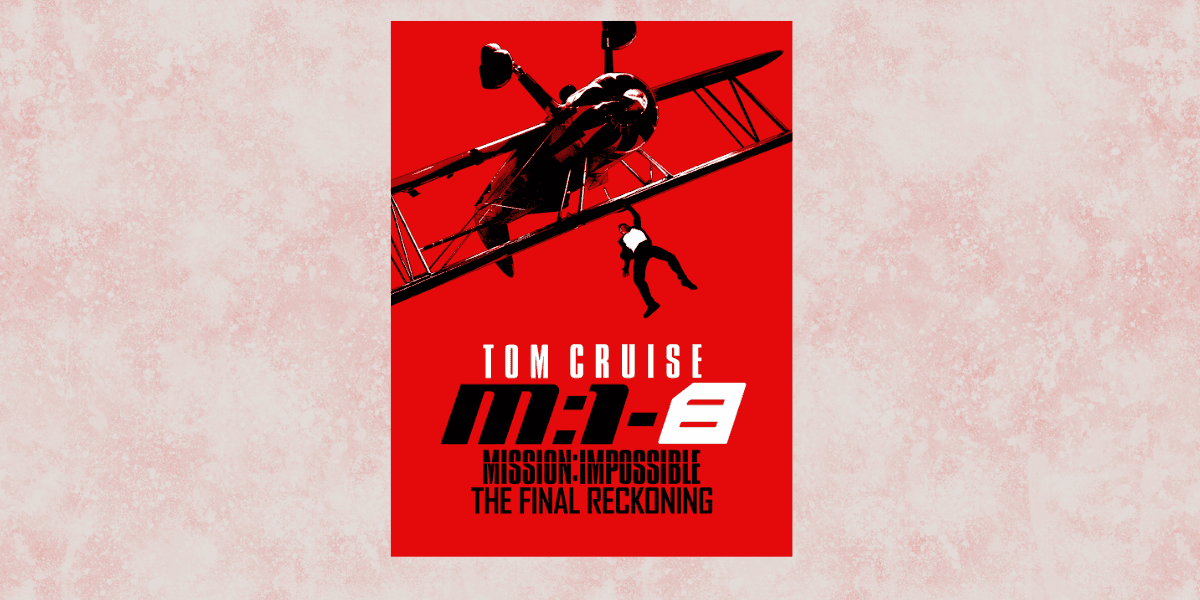
Tom Cruise returned to the center of the entertainment world this week as Mission: Impossible – The Final Reckoning generated major international attention ahead of its highly anticipated U.S. theatrical release. On May 21, 2026, the action blockbuster remained one of the most discussed film events in American entertainment media following its global promotional campaign, Cannes Film Festival appearance, and growing box office expectations.
The eighth installment in the long-running Mission: Impossible franchise represents a significant moment not only for Cruise’s career, but also for the broader theatrical film industry. With Hollywood still focused on rebuilding consistent moviegoing momentum after years of streaming competition and production disruptions, the film’s release has become a major test for the continued strength of large-scale theatrical action franchises.
Directed by Christopher McQuarrie, Mission: Impossible – The Final Reckoning continues the story of IMF agent Ethan Hunt, a role Cruise has played since 1996. The film follows the events of Mission: Impossible – Dead Reckoning Part One and has been promoted as one of the most ambitious entries in the franchise.
The movie recently premiered at the Cannes Film Festival, where Cruise and the cast received widespread media coverage. According to the official Festival de Cannes announcement, Cruise attended the May 14 screening alongside McQuarrie and the film’s ensemble cast, marking another major appearance for the actor at the prestigious festival after his widely publicized return in 2022 for Top Gun: Maverick. The Cannes organizers described the film as delivering an “unforgettable cinematic experience” built on decades of action filmmaking and stunt work.
Industry analysts have closely watched the film because of its reported production scale and unusually long development timeline. The project experienced several delays connected to the COVID-19 pandemic and the 2023 SAG-AFTRA strike. Reports have also noted that the film’s production budget reportedly climbed above $400 million, making it one of the most expensive films ever produced.
Despite the financial pressure attached to a production of that size, early reactions from critics and audiences have largely focused on the film’s practical stunt sequences and Cruise’s continued commitment to theatrical spectacle. Entertainment coverage surrounding the release has emphasized the actor’s reputation for performing high-risk stunts personally, a trademark that has become central to the franchise’s global appeal.
The timing of the film’s release is also important for the movie business as a whole. Summer blockbuster season traditionally serves as one of Hollywood’s most profitable periods, and studios are hoping major franchise releases can continue drawing audiences back to theaters. Analysts view The Final Reckoning as a key indicator of audience demand for large-format cinematic experiences, especially at a time when streaming services continue competing heavily for viewers.
The film’s international rollout helped build momentum before its U.S. launch. It opened in several overseas markets ahead of its American release date, generating strong audience interest and substantial social media discussion. Coverage from entertainment outlets highlighted sold-out screenings, large red-carpet events, and strong early ticket demand.
Cruise’s continued box office influence has also become a recurring topic in industry discussions. Over the past several years, the actor has remained one of the few Hollywood stars consistently associated with global theatrical success. Top Gun: Maverick became a landmark commercial hit in 2022, and many industry observers believe Paramount Pictures is hoping Mission: Impossible – The Final Reckoning can deliver a similar cultural impact.
At Cannes, much of the conversation centered on Cruise’s relationship with theatrical filmmaking itself. The actor has frequently spoken about the importance of preserving the movie theater experience, particularly for large-scale action films designed for premium formats such as IMAX and Dolby Cinema. That message has resonated with many theater owners and film industry executives who continue searching for ways to strengthen box office performance in a rapidly changing entertainment landscape.
The release also arrives during a broader moment of transition for Hollywood franchises. Several major studios are reassessing the future of expensive cinematic universes and franchise filmmaking after mixed box office results across the industry. Because of that environment, the performance of The Final Reckoning is being viewed as more than just another sequel release. Instead, it has become a symbol of whether audiences still prioritize event-style theatrical entertainment.
Beyond its business significance, the film’s publicity campaign has demonstrated the continued global reach of legacy franchises. Nearly three decades after the first Mission: Impossible movie debuted, the series still commands international attention across film festivals, entertainment media, and social platforms. That longevity is increasingly rare in modern Hollywood.
Whether The Final Reckoning ultimately becomes the final chapter for Ethan Hunt remains uncertain. Cruise and McQuarrie have both suggested that future stories within the franchise remain possible, even as promotional materials describe the film as a culmination of the series.
For now, however, the movie stands as one of the entertainment industry’s defining events of May 2026. As audiences head to theaters across the United States, Hollywood executives, theater owners, and fans alike will be watching closely to see whether Tom Cruise can once again deliver one of the year’s biggest cinematic moments.

Artist Recap Contributor
Covers film and television, from what is being made to the people making it.
This article features partner, contributor, or branded content from a third party. Members of the Artist Recap editorial staff were not involved in the creation of this content. All views and opinions are those of the contributor alone.