
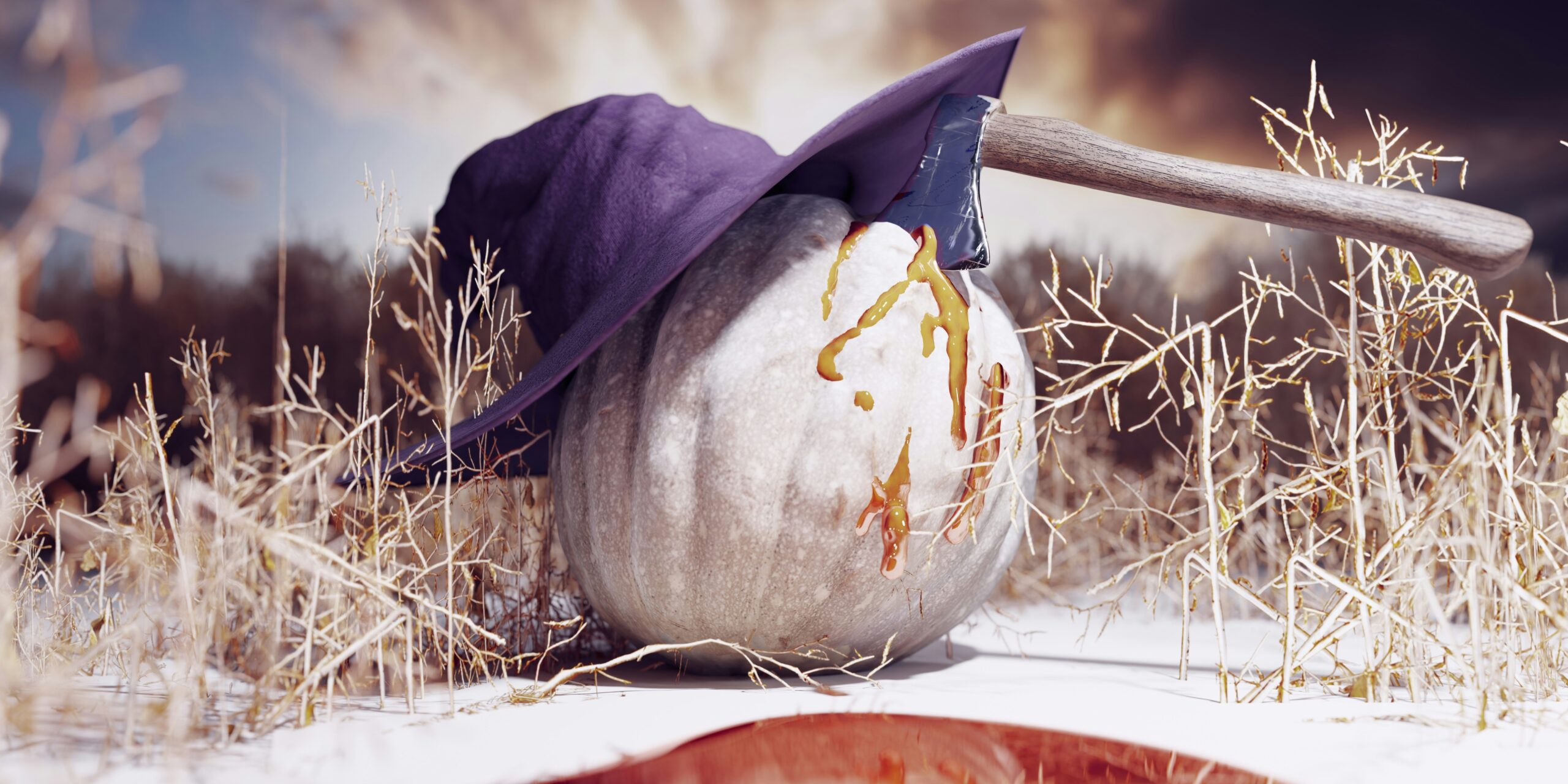
On October 26, 2025, communities across the United States embraced the crisp air and rich colors of autumn by coming together to celebrate National Pumpkin Day. This festive occasion, a beloved tradition for many, celebrates the cultural and culinary significance of pumpkins, a symbol that has become synonymous with fall in the U.S. From farm fields to kitchen tables, pumpkins have been woven into the fabric of the season, marking the beginning of cooler weather and the harvest season. National Pumpkin Day serves as an opportunity to highlight the diverse ways pumpkins are enjoyed and cherished.
Across the country, National Pumpkin Day celebrations took many forms. In small towns and big cities alike, pumpkin patches were at the heart of the festivities, drawing families and visitors eager to pick their own pumpkins. For many, this tradition was a special part of the fall experience, with fields of pumpkins stretching as far as the eye could see, offering something for everyone, from small decorative gourds to massive pumpkins perfect for carving. The pumpkin patch experience is often accompanied by other classic autumn activities, such as hayrides and corn mazes, where families could bond while navigating winding paths and enjoying the fresh air. These activities became an essential part of National Pumpkin Day, allowing families to slow down, escape the hustle of everyday life, and enjoy the simple pleasures that fall offers.
In addition to pumpkin patches, harvest festivals and fall fairs were popular venues for celebrating the day. Local artisans, food vendors, and performers contributed to the festive atmosphere, creating an event where the community could gather, enjoy good food, and appreciate handmade crafts. The pumpkin played a starring role in many of the culinary offerings. From traditional pumpkin pies and muffins to creative twists like pumpkin-flavored ice cream and lattes, the day was a treat for pumpkin lovers. Many vendors offered pumpkin-inspired dishes, allowing people to explore the versatility of this humble gourd. Beyond the foods, pumpkin decorations filled the air at these festivals, with people showcasing their pumpkin-carving skills and displaying intricate designs on their front porches and yards.
Pumpkins also took center stage in home décor across the nation, as families used them to create festive arrangements both inside and outside their homes. Many people adorned their front steps with neatly arranged pumpkins of all sizes, while others took to carving intricate faces or themes into their pumpkins. The warm glow of a pumpkin-lit porch or yard added to the charm of the season, creating a welcoming and cozy atmosphere. For some, the act of picking out a pumpkin and decorating it with family members became an annual tradition, filled with laughter, creativity, and moments of connection.
National Pumpkin Day, celebrated across the U.S., emphasizes not only the pumpkin’s versatility in the kitchen and its charm in décor but also its role in bringing people together. It reminds us of the rich traditions tied to the harvest season and the importance of savoring the moment. It’s a day when families and communities come together to enjoy the simple pleasures of fall, whether that’s sharing pumpkin-flavored treats, getting lost in a corn maze, or creating something beautiful with a pumpkin. This celebration is a reflection of how pumpkins, in all their forms, continue to be a cherished symbol of autumn, serving as a reminder of the comfort, beauty, and joy the season brings.
As the popularity of National Pumpkin Day continues to grow, it is clear that pumpkins are more than just a fall food or decoration. They are a symbol of the season, representing warmth, tradition, and community. The celebrations on October 26, 2025, proved once again how deeply this simple fruit has embedded itself into American culture, from its place on dinner tables to its use as a seasonal decorative accent, cementing its role as an enduring favorite during the fall months.