‘Mortal Kombat II’ Leads the Box Office as Video Game Adaptations Continue Their Hollywood Rise
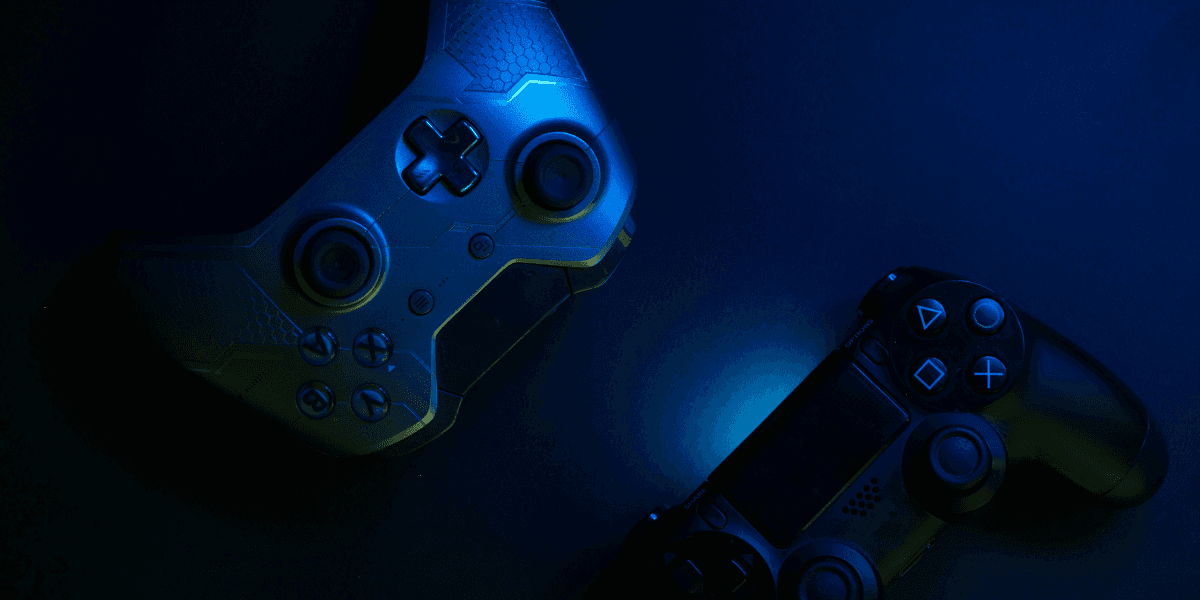
The North American box office saw a major shake-up on May 9, 2026, as Mortal Kombat II opened at the top of the charts, signaling another strong moment for video game adaptations in mainstream cinema. The sequel to the 2021 fantasy-action reboot earned an estimated $17 million on its first day in theaters, outperforming several high-profile releases and immediately positioning itself as one of the weekend’s biggest entertainment stories.
The film’s strong debut reflects Hollywood’s continuing investment in recognizable gaming franchises, a trend that has accelerated over the last several years. While critics offered mixed reactions to the movie, audiences still turned out in large numbers for the latest installment in the long-running Mortal Kombat franchise. Early reports indicated that the sequel benefited from strong fan interest, nostalgia surrounding the original games, and sustained demand for large-scale action films in theaters.
The success of Mortal Kombat II comes during a period when entertainment studios are increasingly leaning on established intellectual property to attract audiences. Video game adaptations, once considered commercially risky, have become a reliable source of theatrical revenue. Recent years have seen major studios invest heavily in gaming-based films and streaming projects, particularly those tied to globally recognized franchises with multi-generational fan bases.
Despite the strong opening, the film entered a highly competitive marketplace. The Devil Wears Prada 2, one of the most anticipated sequel releases of the year, earned approximately $9.8 million on its second Friday in theaters. The film’s return nearly two decades after the original generated significant attention due to the comeback of stars Meryl Streep, Anne Hathaway, and Emily Blunt. Industry coverage also highlighted the considerable salaries reportedly paid to the returning cast members.
Another major performer over the weekend was Michael, the long-awaited Michael Jackson biopic. The film brought in roughly $8.8 million and continued building momentum globally. Reports suggested that Michael had already become the second-highest-grossing music biopic worldwide, trailing only Bohemian Rhapsody.
The continued success of Michael also highlights the sustained audience interest in music-centered storytelling. Music biopics remain one of Hollywood’s most dependable genres, blending nostalgia, celebrity culture, and historical storytelling into films that appeal to both longtime fans and younger viewers. The renewed attention surrounding Michael Jackson’s cultural legacy has also extended beyond the box office, introducing younger audiences to his influence on music, dance, and global pop culture.
Elsewhere in theaters, concert films and music-focused productions also continued to gain traction. Billie Eilish: Hit Me Hard and Soft – The Tour Live in 3D debuted in fourth place with approximately $4.5 million. The project demonstrated how concert experiences are increasingly being adapted into cinematic events designed for premium theatrical viewing.
The broader entertainment industry has increasingly embraced hybrid storytelling that merges music, film, gaming, and digital fan culture. That shift was reinforced during the same week by a major partnership announcement between Paramount Pictures and Warner Music Group. The companies revealed a multi-year collaboration focused on creating films connected to Warner’s artist roster, potentially involving projects tied to globally recognized musicians and performers.
Together, these developments illustrate how entertainment companies are relying more heavily on recognizable brands and fan communities to drive theatrical engagement. Sequels, music biopics, gaming franchises, and artist-driven productions now represent a substantial portion of the modern box office economy.
For theaters, the strong performance of Mortal Kombat II is especially notable because it demonstrates the continued importance of event-style moviegoing. Even as streaming platforms remain dominant in home entertainment, audiences still appear willing to attend theaters for large-scale franchise releases and communal viewing experiences.
The weekend’s results also reveal the increasingly interconnected nature of pop culture. A single box office chart now includes a video game adaptation, a fashion-industry comedy sequel, a music biopic, and a concert film—all competing for attention from overlapping audiences. That crossover reflects how modern entertainment consumption is no longer divided into isolated categories. Fans often move fluidly between music, gaming, film, and celebrity culture, creating opportunities for studios to build franchises that extend across multiple forms of media.
As the summer movie season begins, the strong launch of Mortal Kombat II suggests that recognizable entertainment properties will continue shaping Hollywood’s biggest releases throughout 2026. Whether through gaming adaptations, artist-centered films, or legacy sequels, studios are increasingly betting on familiar cultural touchstones to attract audiences in an increasingly competitive entertainment landscape.

Artist Recap Contributor
Covers film and television, from what is being made to the people making it.
This article features partner, contributor, or branded content from a third party. Members of the Artist Recap editorial staff were not involved in the creation of this content. All views and opinions are those of the contributor alone.