Japan Festival Houston Celebrates Japanese Culture With Music, Food and Tradition
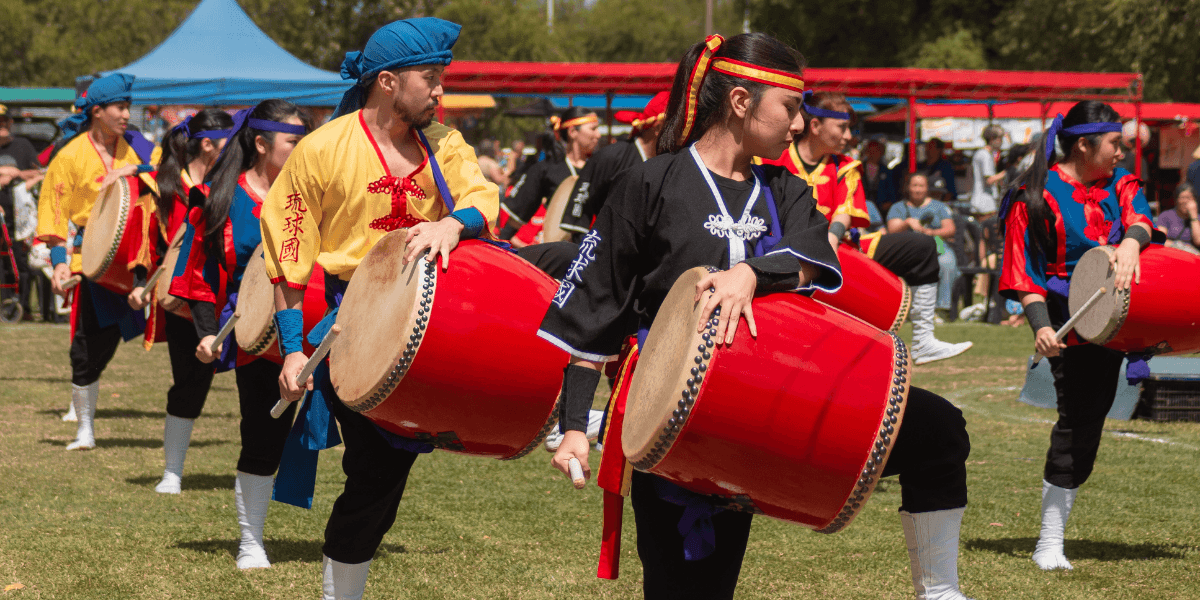
Japan Festival Houston brings Japanese music, food, arts and traditions to Hermann Park for a vibrant cultural weekend.
HOUSTON — Thousands of visitors gathered at Hermann Park on Sunday, September 13, 2026, as Japan Festival Houston continued a weekend celebration of Japanese culture through traditional arts, live performances, food, martial arts and interactive activities.
Held September 12 and 13, the annual festival returned as one of Houston’s prominent cultural events, offering visitors an opportunity to experience different elements of Japanese heritage in an accessible community setting. The festival ran from 10 a.m. to 6 p.m. and offered free admission.
The 2026 edition followed particularly strong attendance the previous year, when the festival attracted nearly 80,000 visitors. Organizers responded to that growth by expanding the festival footprint by approximately 100,000 square feet, providing additional room for activities, vendors and attendees.
The expansion underscored both the popularity of the event and Houston’s broader appetite for cultural celebrations that bring international traditions into public spaces.
Traditional Culture Meets Contemporary Houston
Japan Festival Houston offered a program designed to introduce visitors to multiple aspects of Japanese culture rather than concentrating on a single form of entertainment.
Traditional dance, Japanese drumming and martial arts demonstrations were among the performances presented during the weekend. These activities gave attendees an opportunity to see cultural practices that have developed across generations while also highlighting the organizations and performers working to maintain those traditions in the United States.
Sumo demonstrations were another major attraction. Former professional sumo wrestler Ichinojo participated in demonstrations that introduced audiences to one of Japan’s most recognizable sporting traditions.
Beyond performances, visitors could take part in activities connected to Japanese arts and customs. Tea ceremonies, ikebana flower arranging and calligraphy provided more intimate opportunities to explore practices with deep cultural histories.
The combination of large performances and hands-on experiences helped create an event that could appeal both to visitors already familiar with Japanese culture and those encountering its traditions for the first time.
Music Adds Another Dimension
Music also played an important role in the weekend.
Japanese musician Akiko Yano and shamisen performer Hiromitsu Agatsuma appeared as headline performers at Miller Outdoor Theatre on Saturday. Their inclusion added a contemporary musical dimension to a festival otherwise spanning numerous traditional and modern expressions of Japanese culture.
The shamisen, a traditional three-stringed Japanese instrument, has a distinctive sound and a history extending across centuries of Japanese musical performance. Presenting it alongside other styles illustrated the festival’s broader approach of connecting historic traditions with contemporary cultural expression.
Local Japanese and cultural organizations also contributed performances throughout the event, reinforcing the community-driven nature of the celebration.
For an American audience, events of this kind can provide cultural context that goes beyond what viewers encounter through film, television, music or other forms of popular entertainment. Seeing traditional instruments, dance and artistic practices performed in person can offer a different perspective on the cultural foundations behind internationally recognized Japanese art forms.
Japanese Food Becomes Part of the Experience
Food was another central part of the festival.
Vendors served recognizable Japanese dishes and snacks including ramen and takoyaki, alongside a variety of sweets and other specialties. The festival's expanded layout included changes to food vendor placement intended to improve pedestrian movement as attendance continued to grow.
Japanese cuisine has developed a significant presence in the United States, with dishes such as sushi and ramen becoming familiar to American diners. Cultural festivals can broaden that experience by bringing together different regional foods, snacks and preparation styles within a single event.
Food also provides an approachable introduction to culture. Visitors who may arrive primarily for a meal can encounter traditional music, dance, visual arts and customs while moving through the festival.
A Growing Community Celebration
The scale of Japan Festival Houston demonstrates how cultural festivals can develop into significant annual gatherings.
Houston is one of the most diverse major cities in the United States, and community festivals throughout the year highlight traditions connected to populations from around the world. Japan Festival Houston contributes to that cultural calendar by creating a shared public space where Japanese heritage can be celebrated and introduced to a broad audience.
Organizers added more booths, beverage stations and cooling areas for 2026. An air-conditioned medical tent was also included as part of preparations for the large number of expected visitors.
Those operational changes may not be the most visible part of a cultural festival, but they reflect the challenges that accompany growth. As community events attract larger crowds, organizers must balance cultural programming with accessibility, visitor comfort and effective movement through public spaces.
Culture Through Shared Experiences
The festival’s significance ultimately extends beyond individual performances, meals or demonstrations.
Events such as Japan Festival Houston provide opportunities for communities to preserve traditions while sharing them with people from different backgrounds. Children can encounter cultural practices through games and activities, longtime participants can reconnect with familiar traditions, and newcomers can gain an introduction to Japanese arts and customs.
By combining heritage, entertainment, food and community participation, the September 12–13 festival transformed part of Hermann Park into a temporary cultural gathering place.
As the 2026 edition concluded Sunday, its expanded footprint and diverse program.

Artist Recap Contributor
Covers culture at large, following the moments and movements shaping the creative world.
This article features partner, contributor, or branded content from a third party. Members of the Artist Recap editorial staff were not involved in the creation of this content. All views and opinions are those of the contributor alone.
next post
Painting Artificial Superintelligence: How Kaikhan Salakhov Uses Art To Map The Risks Of The Future