Coachella 2026 Wraps with Genre-Blending Performances and Cultural Momentum
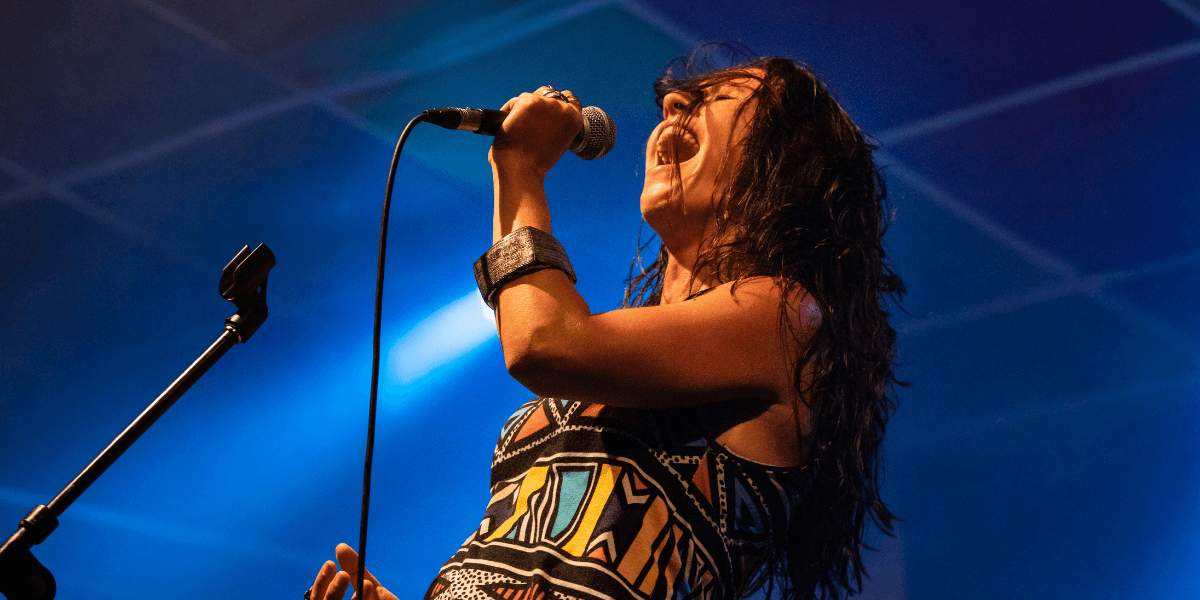
On April 28, 2026, the final weekend of the Coachella Valley Music and Arts Festival came to a close in Indio, California, marking another milestone year for one of the United States’ most influential entertainment events. As one of the premier gatherings in global music and pop culture, Coachella’s conclusion offered a snapshot of current artistic trends, industry direction, and audience engagement in 2026.
A Festival Defined by Diversity and Collaboration
The 2026 edition of Coachella continued its tradition of showcasing a wide spectrum of genres, blending mainstream headliners with emerging artists and international acts. Across two weekends, attendees experienced performances spanning pop, hip-hop, electronic, indie rock, and Latin music, reflecting the increasingly global and hybrid nature of today’s music landscape.
Industry coverage noted a strong emphasis on cross-genre collaboration this year. Artists frequently brought out surprise guests, creating moments that resonated widely across social media platforms and extended the festival’s reach beyond the desert venue.
These collaborative performances have become a defining feature of Coachella in recent years, reinforcing its reputation not just as a concert series but as a cultural event where artists experiment and connect in real time.
Production and Visual Innovation
Another key highlight of the festival’s closing weekend was its continued investment in stage production and visual storytelling. Large-scale LED installations, immersive lighting design, and synchronized visuals elevated performances into multi-sensory experiences.
Artists increasingly treat festival sets as conceptual showcases rather than traditional concerts. This evolution aligns with broader trends in live entertainment, where audiences expect high production value and immersive engagement.
The 2026 edition further demonstrated how technological integration, ranging from advanced projection mapping to interactive stage elements, has become central to modern live performances.
Streaming Expands Global Reach
Coachella’s official livestream once again played a significant role in extending the festival’s audience worldwide. Platforms such as YouTube hosted multi-stage broadcasts, allowing millions of viewers to watch performances in real time.
This digital expansion has transformed Coachella from a location-based event into a global media experience. Livestreaming has significantly increased audience engagement and artist visibility, particularly for newer acts.
For many performers, appearing at Coachella now serves as both a live milestone and a digital launchpad, amplifying their reach across international markets.
Cultural Impact Beyond Music
Beyond performances, Coachella remains a major cultural touchpoint influencing fashion, branding, and social media trends. The 2026 festival saw continued partnerships between artists and major brands, as well as a strong presence of influencer-driven content creation.
Fashion, in particular, remained central to the festival’s identity. Attendees and performers alike used the event as a platform for self-expression, with styles ranging from retro-inspired looks to futuristic aesthetics. The festival continues to shape seasonal fashion trends and influence global style conversations.
Additionally, the festival’s emphasis on art installations and experiential spaces reinforced its role as a multidisciplinary event, blending music with visual art and design.
Economic and Industry Significance
Coachella’s closing weekend also underscored its economic importance. The festival contributes significantly to the local economy of Indio and the broader California region through tourism, hospitality, and employment.
From an industry perspective, Coachella continues to serve as a barometer for music trends and audience preferences. Lineup curation often reflects shifts in listener behavior, including the growing influence of global genres and digital-native artists.
Music executives and analysts frequently look to Coachella as an indicator of which artists are gaining momentum and which styles are shaping the future of the industry.
Key Takeaways
The conclusion of Coachella 2026 highlights several important trends in entertainment:
- Globalization of Music: The prominence of international artists reflects an increasingly interconnected music industry.
- Experience-Driven Performances: High production value and immersive visuals are now standard expectations.
- Digital Amplification: Livestreaming continues to expand audience reach and redefine what it means to “attend” a festival.
- Cultural Influence: Coachella remains a major driver of fashion, branding, and social media trends.
Looking Ahead
As the 2026 festival wraps, attention will likely turn to how these trends evolve over the coming year. Coachella’s ability to adapt, balancing tradition with innovation, has been key to its longevity and relevance.
While the lineup and performances change annually, the festival’s core role as a cultural and industry touchpoint remains consistent. Its April 28 conclusion not only marks the end of a major entertainment event but also offers insight into where music and pop culture are headed next.

Artist Recap Contributor
Covers music — new releases, the artists behind them, and the news moving the industry.
This article features partner, contributor, or branded content from a third party. Members of the Artist Recap editorial staff were not involved in the creation of this content. All views and opinions are those of the contributor alone.