Stagecoach Festival 2026 Draws National Attention as Livestream Expands Audience Reach

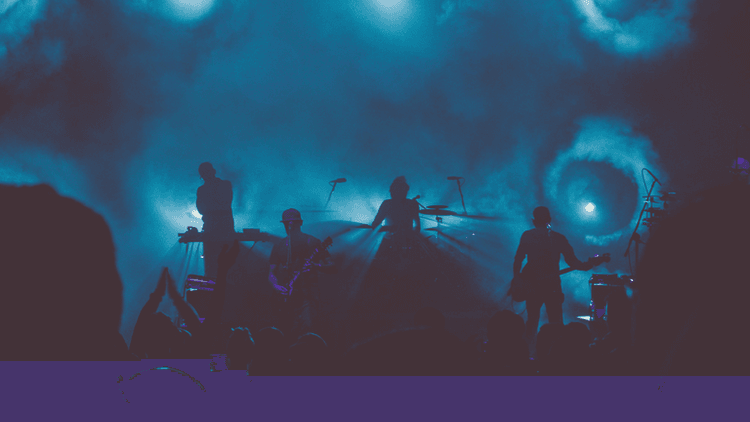
On April 25, 2026, one of the most significant entertainment events unfolding in the United States is the Stagecoach Festival 2026, currently underway in Indio, California. Widely recognized as one of the country’s premier country music festivals, Stagecoach has evolved into a cross-genre cultural event, and this year’s edition highlights both its growing influence and its expanding digital reach.
Running from April 24 to April 26, the festival is not only attracting tens of thousands of in-person attendees but also reaching a global audience through livestream broadcasts on major digital platforms. This hybrid format reflects a broader shift in the entertainment industry toward accessibility and digital engagement.
A Diverse Lineup Reflecting Genre Evolution
Stagecoach 2026 features a lineup that blends traditional country roots with contemporary and crossover acts. Headliners include major names such as Post Malone, Lainey Wilson, and Cody Johnson, alongside a wide range of performers spanning multiple genres.
Artists like Diplo, Pitbull, and Ludacris, who are not traditionally associated with country music, underscore the festival’s genre-blending approach. Meanwhile, established acts such as Brooks & Dunn, Journey, and Third Eye Blind bring legacy appeal, creating a multi-generational lineup that broadens the festival’s audience.
This diversity signals a continuing evolution in country music festivals, where genre boundaries are increasingly fluid. By incorporating pop, rock, and hip-hop influences, Stagecoach reflects changing listener preferences and the growing interconnectedness of music audiences.
Livestreaming Expands Cultural Impact
One of the most notable aspects of Stagecoach 2026 is its robust livestream infrastructure. The event is being broadcast across multiple digital platforms, allowing fans worldwide to participate in real time.
This approach has several implications:
- Accessibility: Fans who cannot attend in person can still experience performances.
- Global Reach: The festival extends beyond U.S. borders, enhancing its international visibility.
- Artist Exposure: Emerging and mid-tier artists gain broader exposure through online audiences.
Livestreaming has become a defining feature of modern music festivals. Stagecoach’s embrace of this model positions it alongside other major events that prioritize hybrid experiences.
Cultural and Economic Significance
Beyond its musical offerings, Stagecoach contributes significantly to the local and national entertainment economy. Large-scale festivals like this generate revenue through tourism, hospitality, and media partnerships. Indio, California, already known for hosting major music events, benefits from back-to-back high-profile festivals that draw global attention.
Culturally, the festival serves as a gathering point for fans and artists, reinforcing music’s role as a shared social experience. It also highlights the continued relevance of live performances in an era increasingly dominated by digital consumption.
Broader Entertainment Landscape on April 25
Stagecoach is unfolding alongside a busy period in entertainment. In film, new releases and promotional campaigns are contributing to industry momentum. High-profile promotional stunts and premieres are drawing public attention, reflecting the growing importance of experiential marketing in the film industry.
Meanwhile, the entertainment world is energized by ongoing production announcements, casting news, and celebrity appearances tied to upcoming releases. Music-driven films and crossover projects continue to highlight the close relationship between the music and film industries.
Together, these developments illustrate a vibrant and interconnected entertainment ecosystem, where music festivals, film releases, and celebrity-driven events all contribute to a dynamic cultural moment.
Key Takeaways
The significance of Stagecoach 2026 extends beyond its performances:
- Hybrid Experiences Are the Future
The integration of livestreaming demonstrates how major events are adapting to digital-first audiences. - Genre Boundaries Are Blurring
The inclusion of artists from multiple genres reflects evolving musical tastes and industry trends. - Live Events Remain Central to Culture
Despite the rise of streaming platforms, large-scale festivals continue to play a vital role in shaping entertainment culture. - Cross-Industry Synergy Is Growing
Music, film, and digital media are increasingly interconnected, as seen in simultaneous promotional campaigns and releases.
Conclusion
As of April 25, 2026, Stagecoach Festival stands out as a defining entertainment event in the United States. Its combination of live performances, digital accessibility, and genre diversity encapsulates the current direction of the music industry. At the same time, its alignment with broader entertainment trends underscores the interconnected nature of modern pop culture.
For audiences and industry observers alike, Stagecoach 2026 offers a clear example of how entertainment is evolving, balancing tradition with innovation while expanding its reach in an increasingly digital world.

Artist Recap Contributor
Covers music — new releases, the artists behind them, and the news moving the industry.
This article features partner, contributor, or branded content from a third party. Members of the Artist Recap editorial staff were not involved in the creation of this content. All views and opinions are those of the contributor alone.