
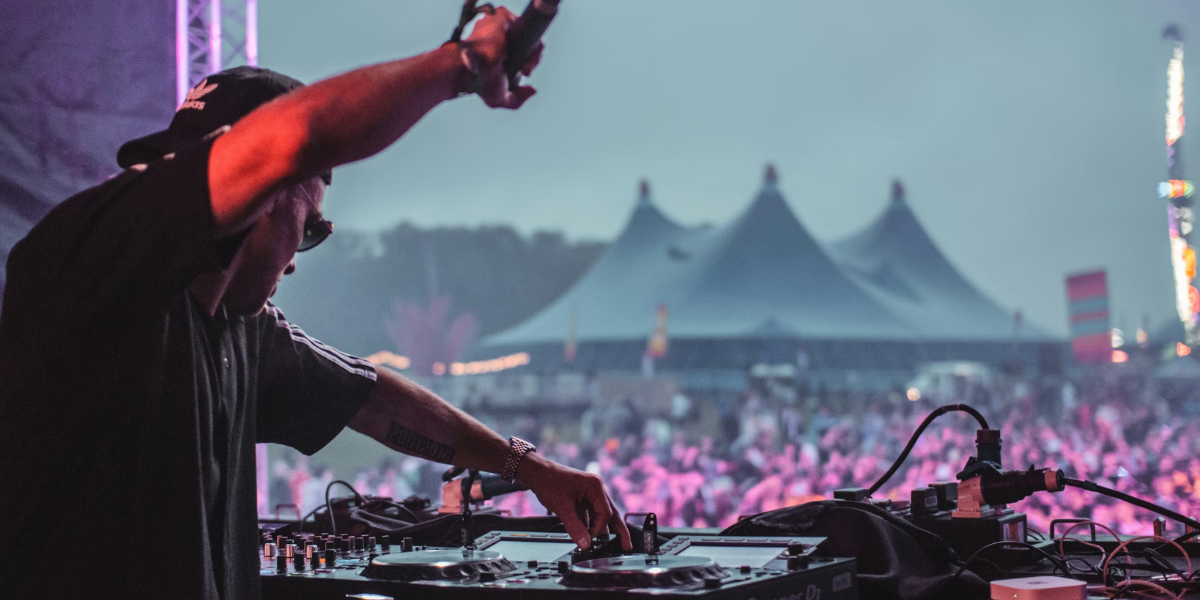
On April 1, 2026, organizers of the Coachella Valley Music and Arts Festival unveiled the festival’s final lineup additions alongside a major expansion of its global livestream program, signaling a continued evolution in how live music events reach audiences worldwide. The announcement highlights both the enduring cultural influence of Coachella and the growing importance of hybrid live-digital experiences in the music industry.
The updated lineup introduces several high-profile artists and emerging acts across genres, reinforcing Coachella’s reputation as a platform that blends mainstream appeal with discovery. Additional performers include a mix of chart-topping musicians, indie standouts, and international artists, reflecting the festival’s commitment to diversity in sound and representation. These late-stage additions often generate renewed excitement among ticket holders and fans following the event remotely, as they round out an already expansive roster.
Beyond the artist announcements, the most notable development this year is Coachella’s expanded global streaming initiative. Building on the success of previous years, organizers confirmed that the 2026 edition will feature more stages broadcast live than ever before, with enhanced production quality and interactive viewing options. The livestream will once again be hosted on widely accessible platforms, allowing fans from around the world to experience performances in real time.
Industry analysts note that this move aligns with broader trends in entertainment consumption, where audiences increasingly expect digital access to live events. Livestream viewership for major music festivals has grown significantly in recent years, driven by improved streaming technology and global fan demand. Coachella’s continued investment in this area positions it as a leader in bridging physical and virtual concert experiences.
The festival’s organizers emphasized that the expanded streaming format is designed not to replace the in-person experience but to complement it. Attendees at the Empire Polo Club in Indio, California, will still have access to exclusive performances, immersive art installations, and on-site activations that cannot be fully replicated online. However, the digital component allows the festival to reach millions of additional viewers, extending its cultural footprint far beyond the desert setting.
Music industry professionals view this dual approach as increasingly essential. Live events remain a critical revenue stream and a cornerstone of artist promotion, yet digital access offers scalability and inclusivity. Fans who are unable to travel due to cost, distance, or scheduling constraints can still engage with performances, discover new artists, and participate in the broader cultural moment.
The April 1 announcement also underscores Coachella’s role as a trendsetter in festival programming. By consistently featuring a mix of established headliners and rising talent, the event influences listening habits and streaming trends globally. Performances at Coachella often lead to measurable increases in artist streams and social media engagement. This year’s additions are expected to follow a similar trajectory, particularly for emerging acts gaining exposure on a global stage.
In addition to musical performances, Coachella continues to emphasize its multidisciplinary identity. Art installations, fashion moments, and brand collaborations contribute to the festival’s status as a cultural touchstone. The 2026 edition is expected to feature large-scale visual art pieces and interactive exhibits, further enhancing the experience for both attendees and online viewers.
Key takeaways from today’s announcement highlight several important developments for the music and entertainment industries:
First, the expansion of livestreaming confirms that hybrid event models are no longer experimental but standard practice for major festivals. This shift reflects changing audience expectations and technological advancements that make high-quality streaming more accessible.
Second, curated lineups that balance global superstars with emerging talent remain central to maintaining relevance in a competitive festival landscape. Coachella’s ability to introduce new artists to wide audiences continues to be a defining feature of its programming.
Third, the integration of music, art, and digital engagement reinforces the idea that festivals are not just concerts but comprehensive cultural experiences. This multidimensional approach helps sustain long-term interest and media coverage.
As anticipation builds for the festival’s opening weekend later this month, the April 1 announcement serves as a reminder of Coachella’s enduring influence. By expanding its reach through digital innovation while preserving the essence of live performance, the festival continues to shape how audiences experience music in an increasingly connected world.
With millions expected to tune in globally and thousands set to attend in person, Coachella 2026 is poised to deliver another landmark moment in contemporary music culture, reflecting both the industry’s evolution and its ongoing commitment to creativity and connection.